Mohawk Island Lighthouse
Stabilization & Repairs
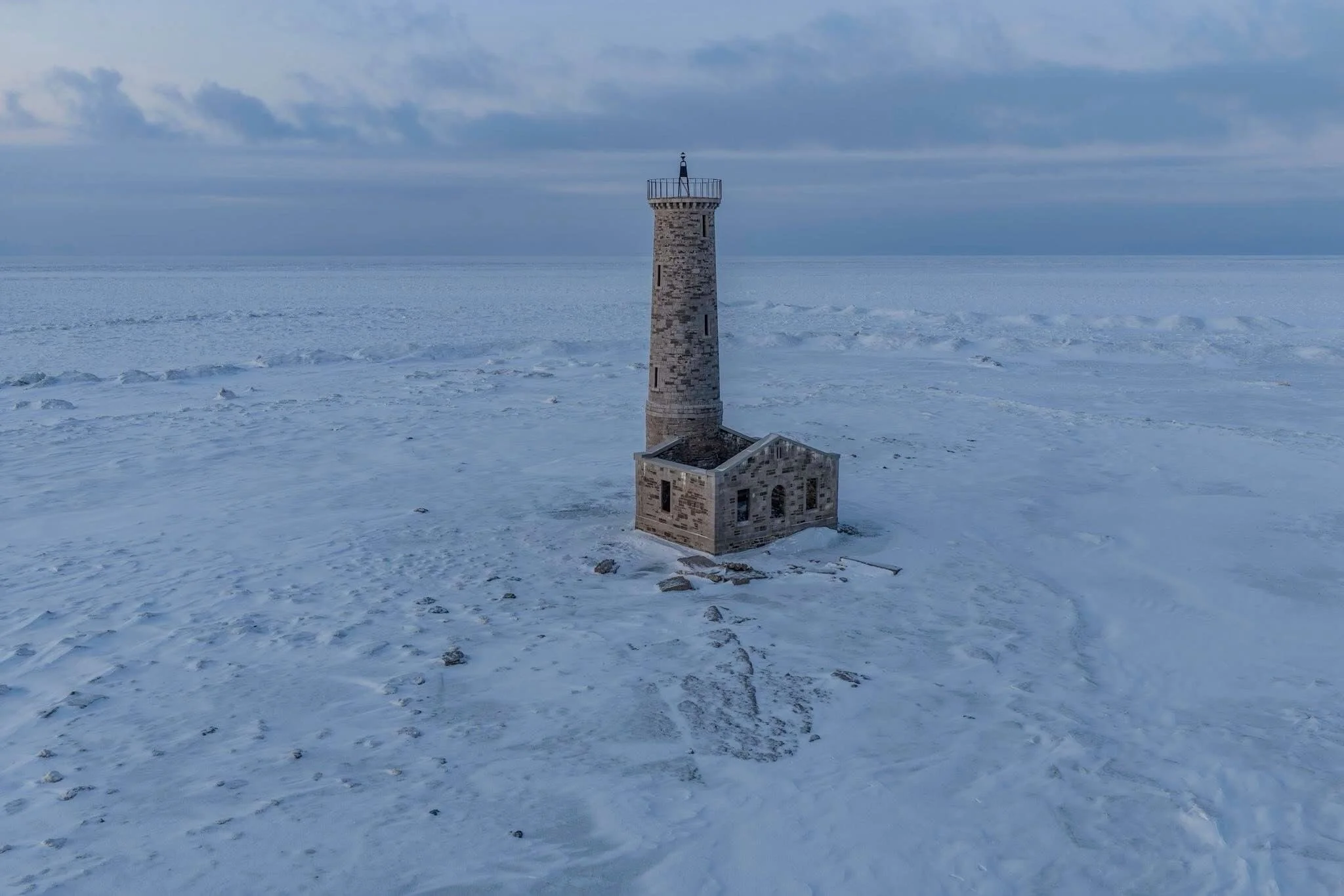
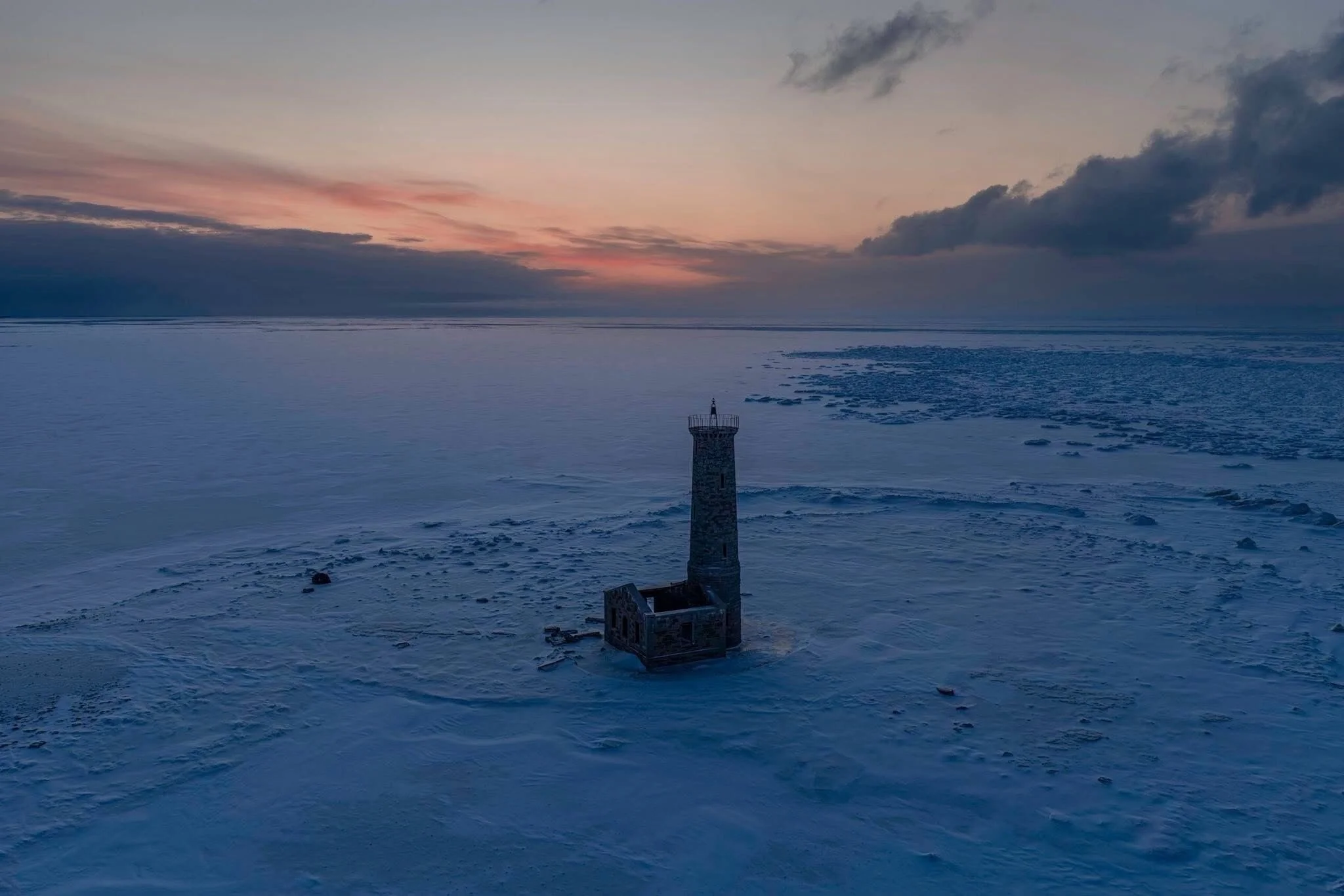
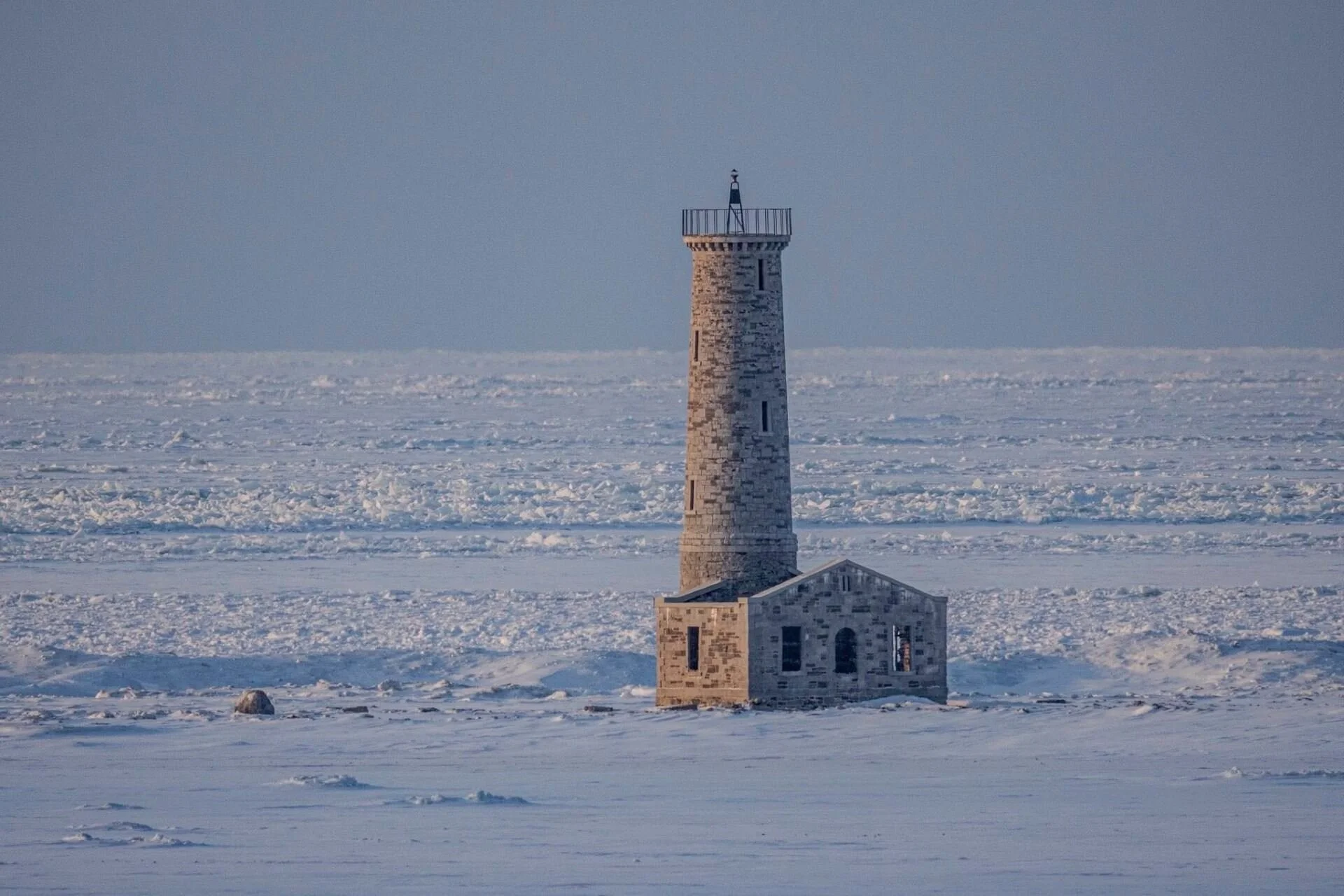
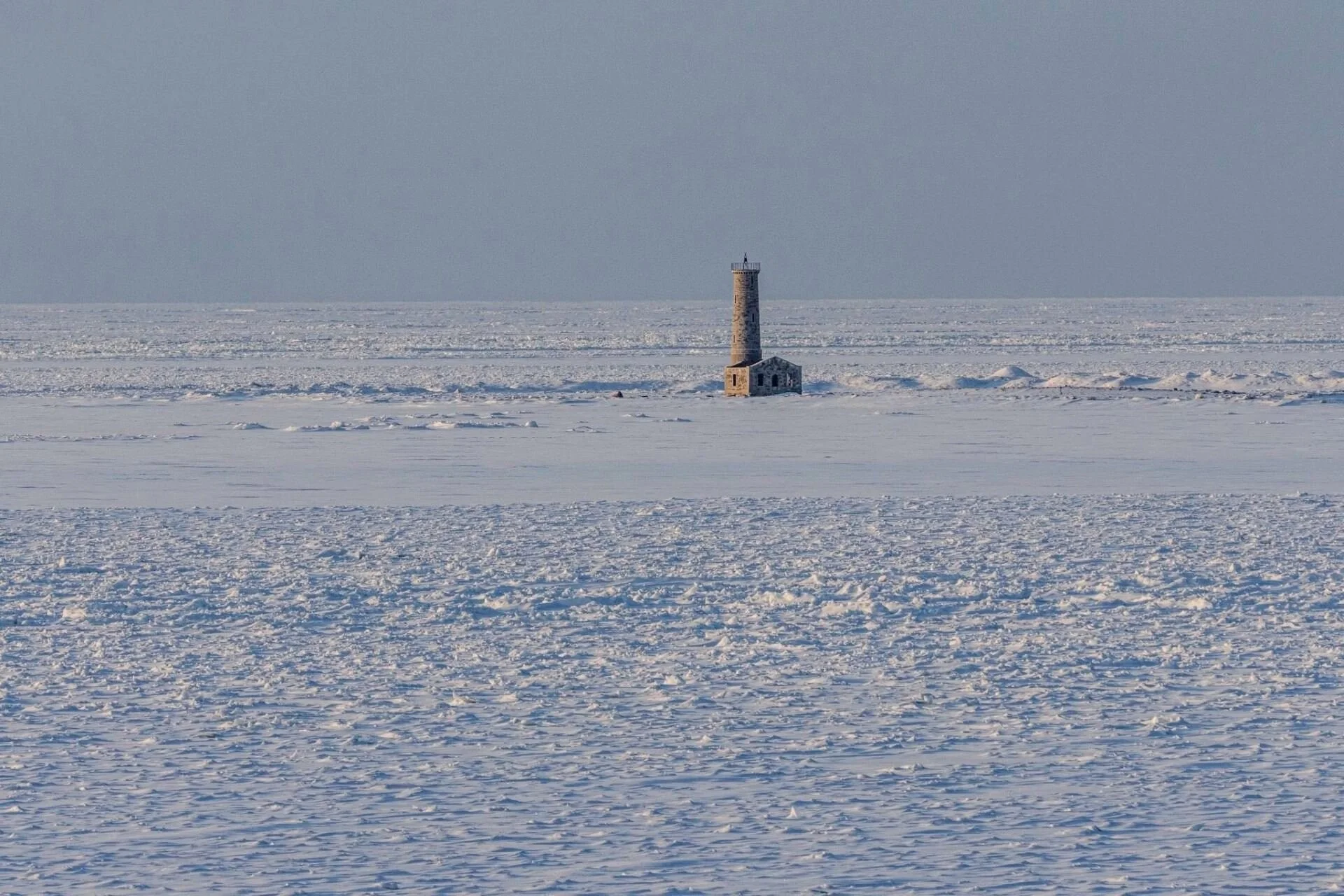
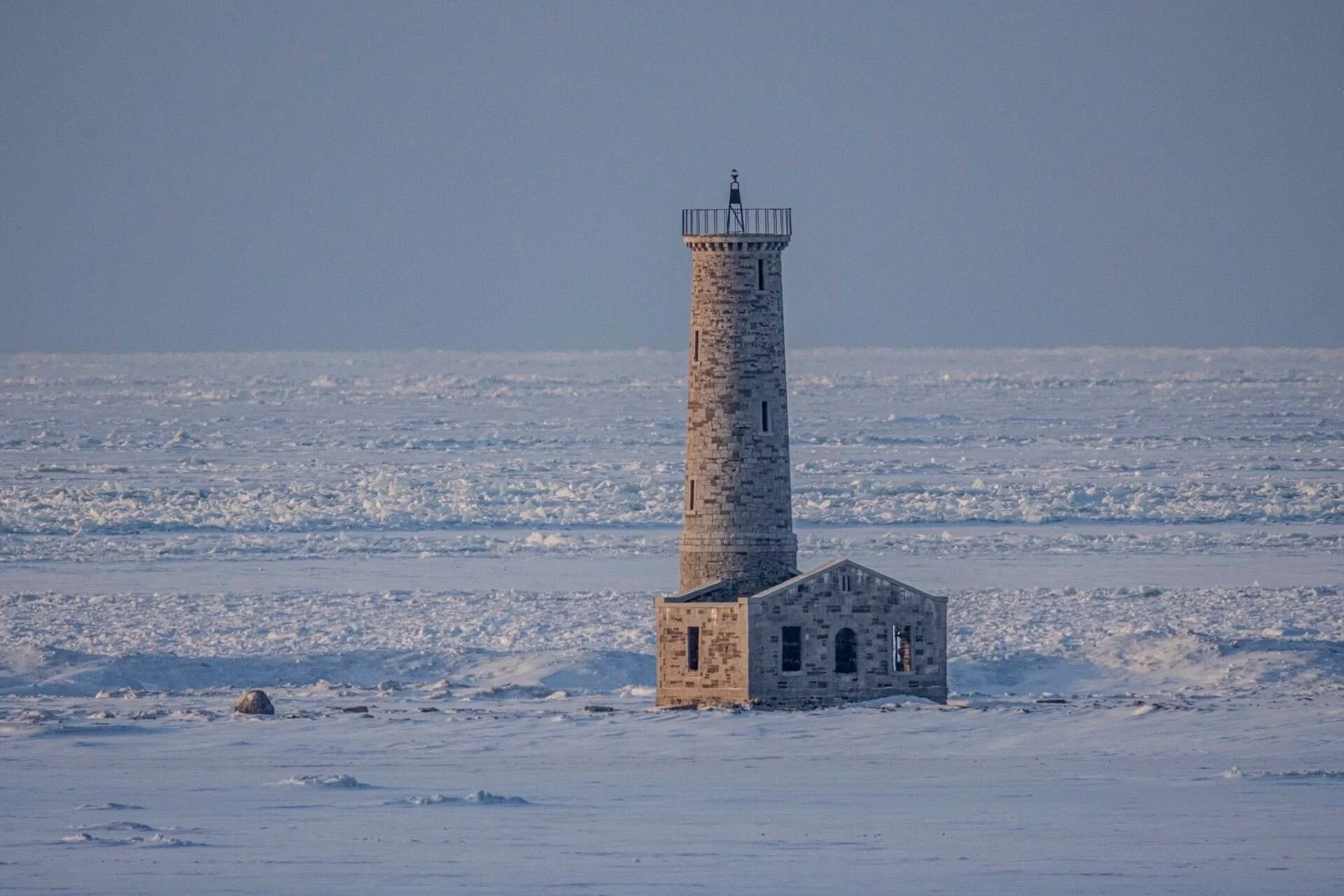
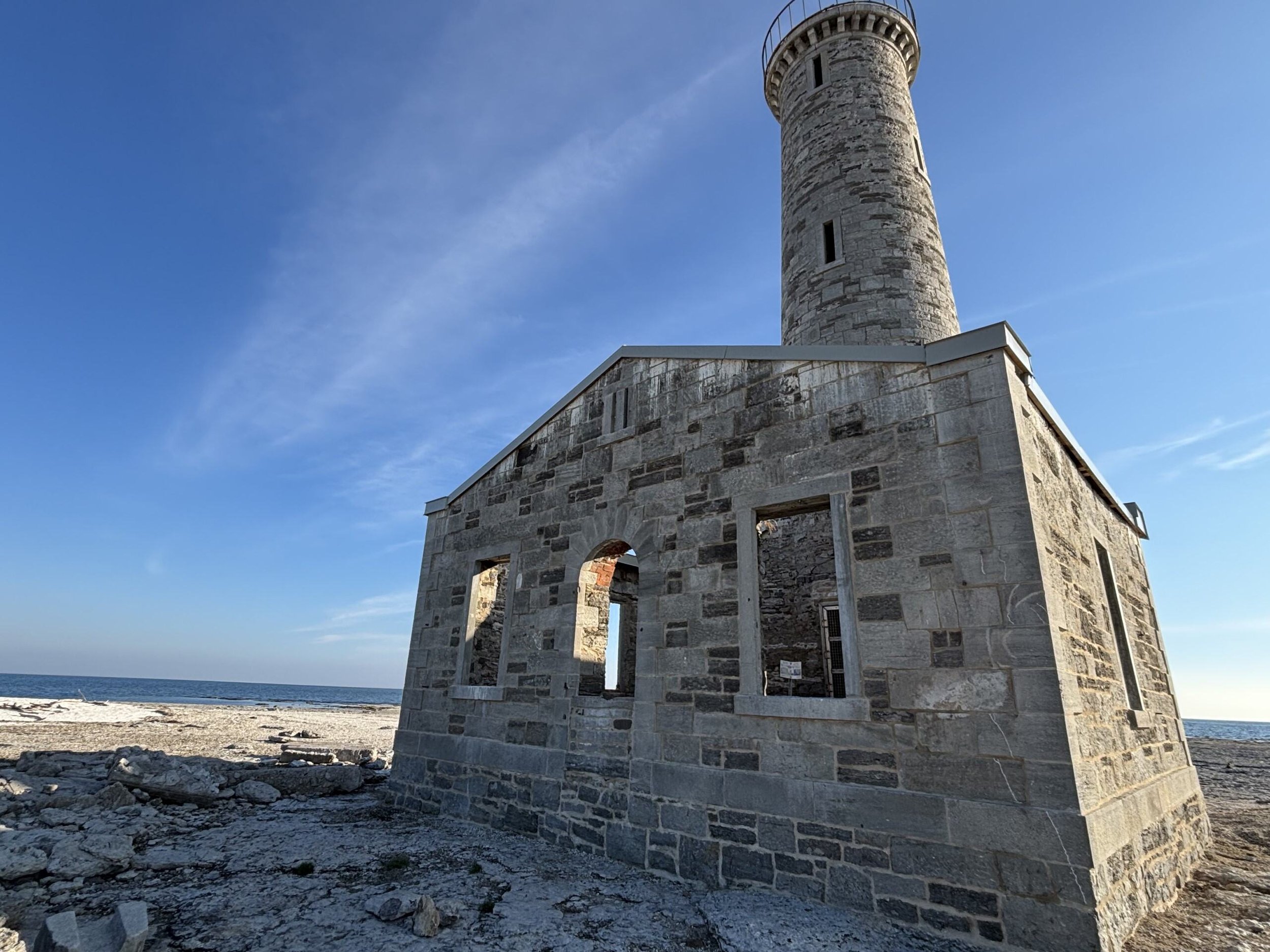
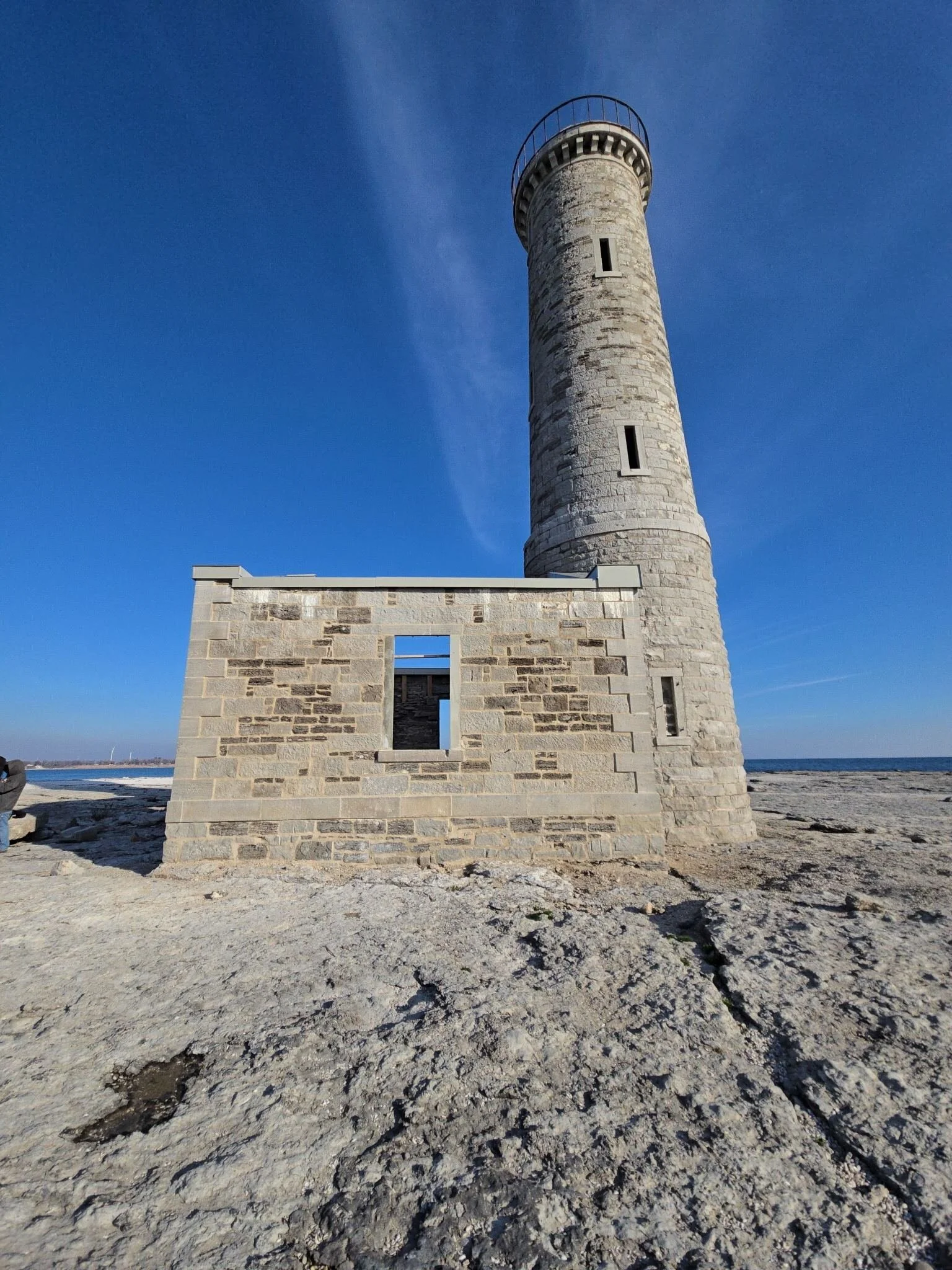
RTM completed stabilization and repair work at the Mohawk Island Lighthouse, also known historically as the Gull Island Lighthouse. Located on a small island near Rock Point and the mouth of the Grand River, the lighthouse is one of the oldest surviving lighthouse structures on the Canadian side of Lake Erie.
Project Scope
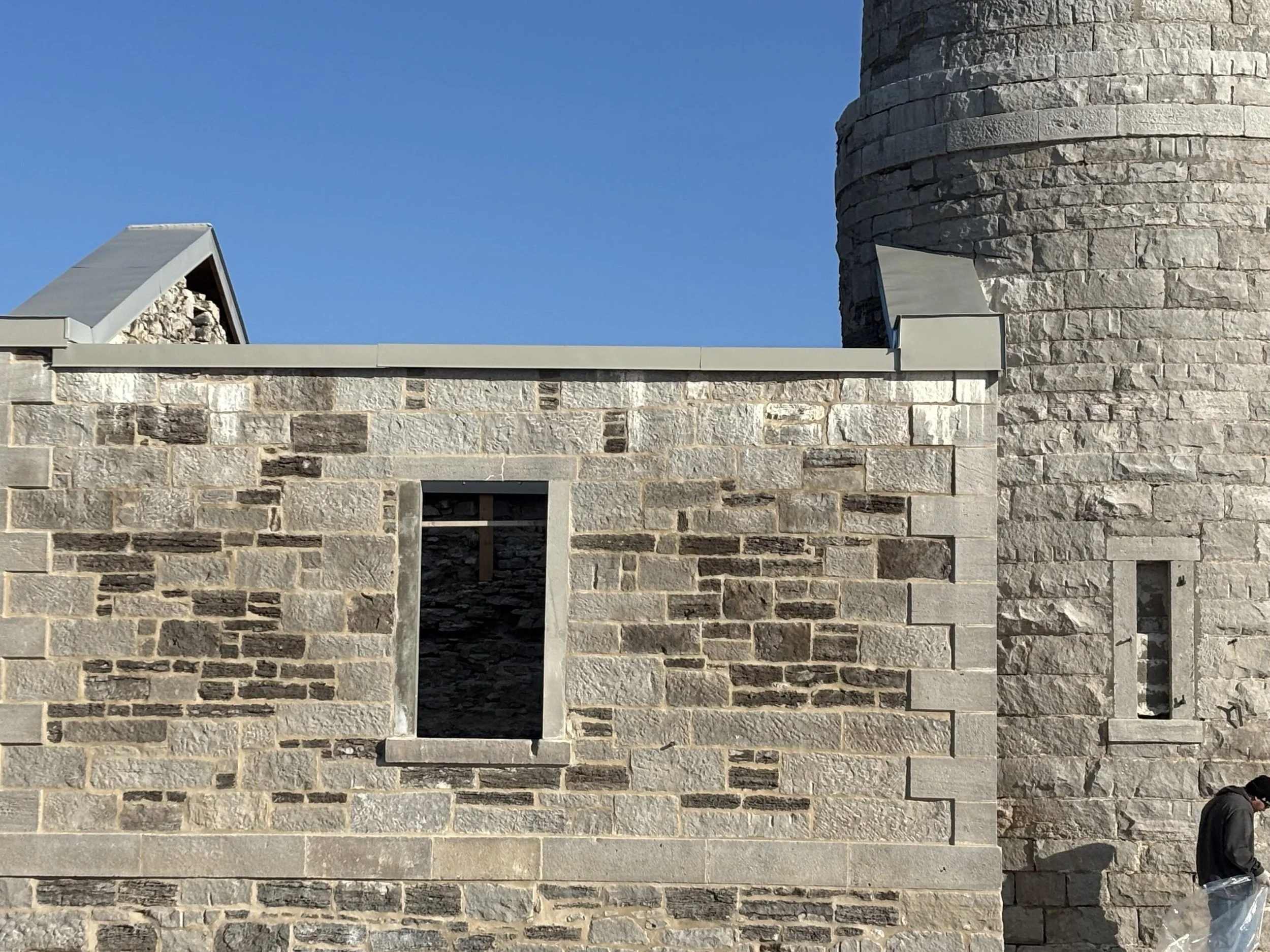
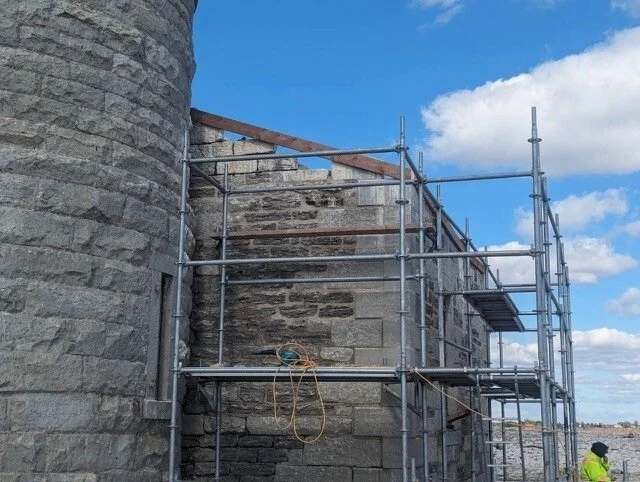
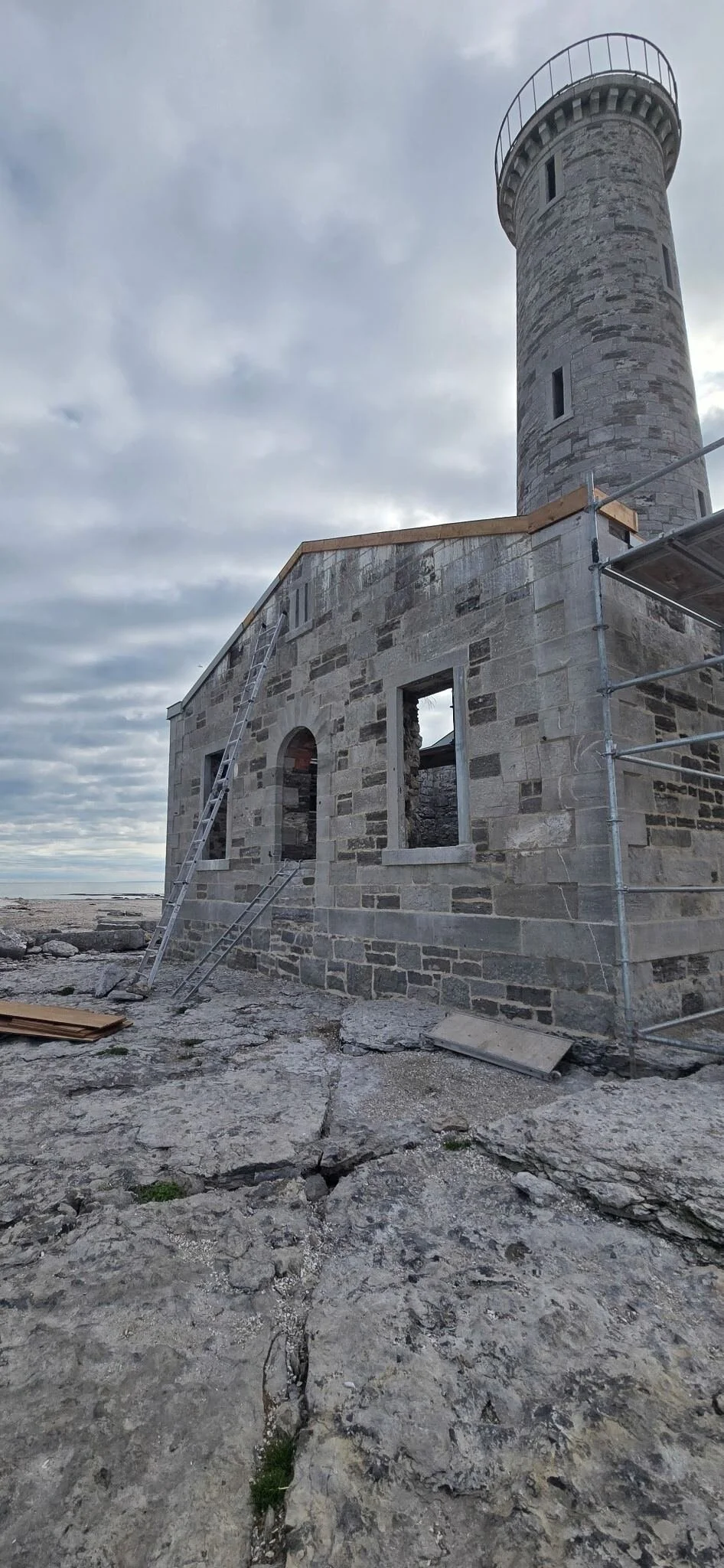
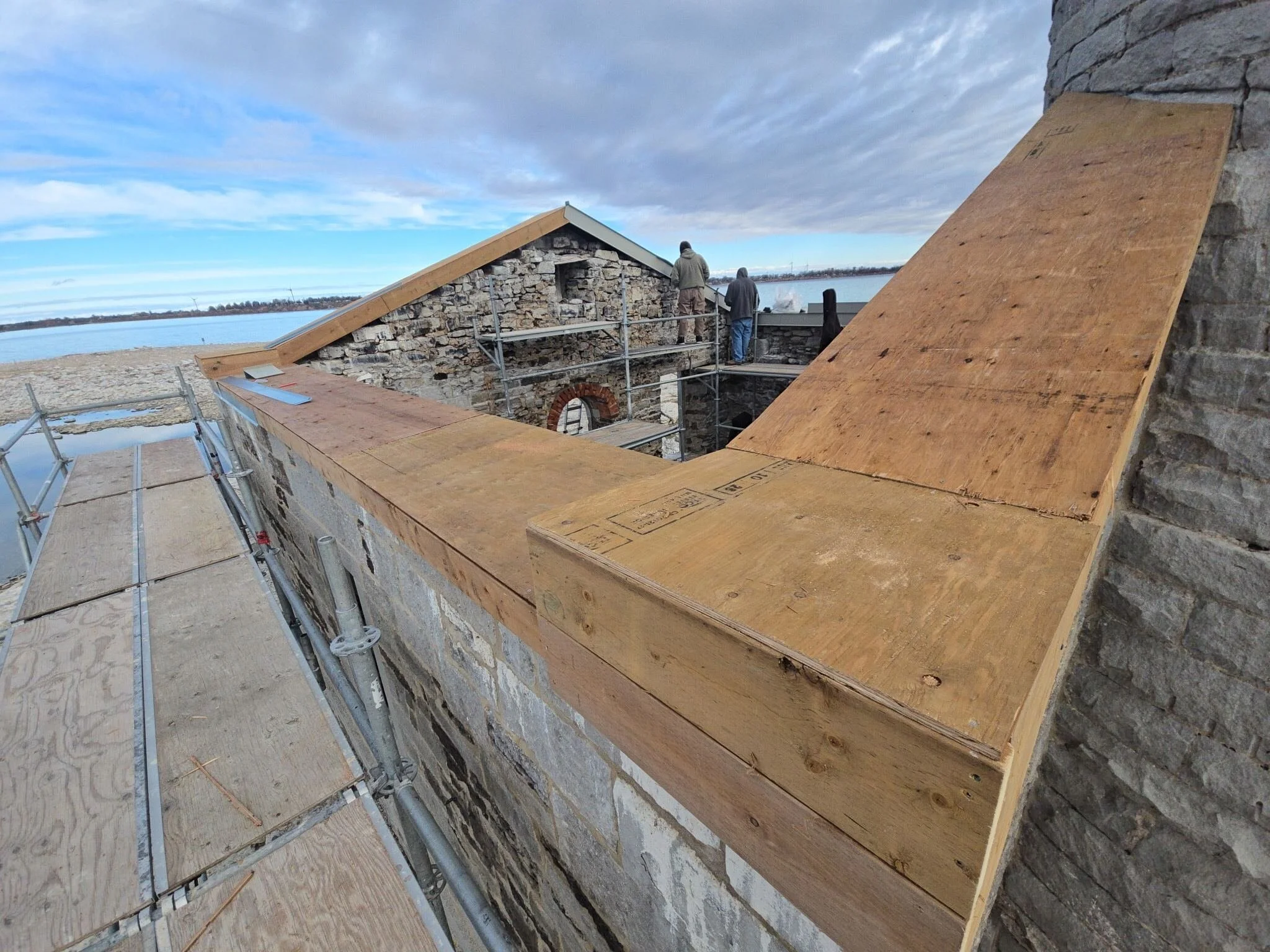
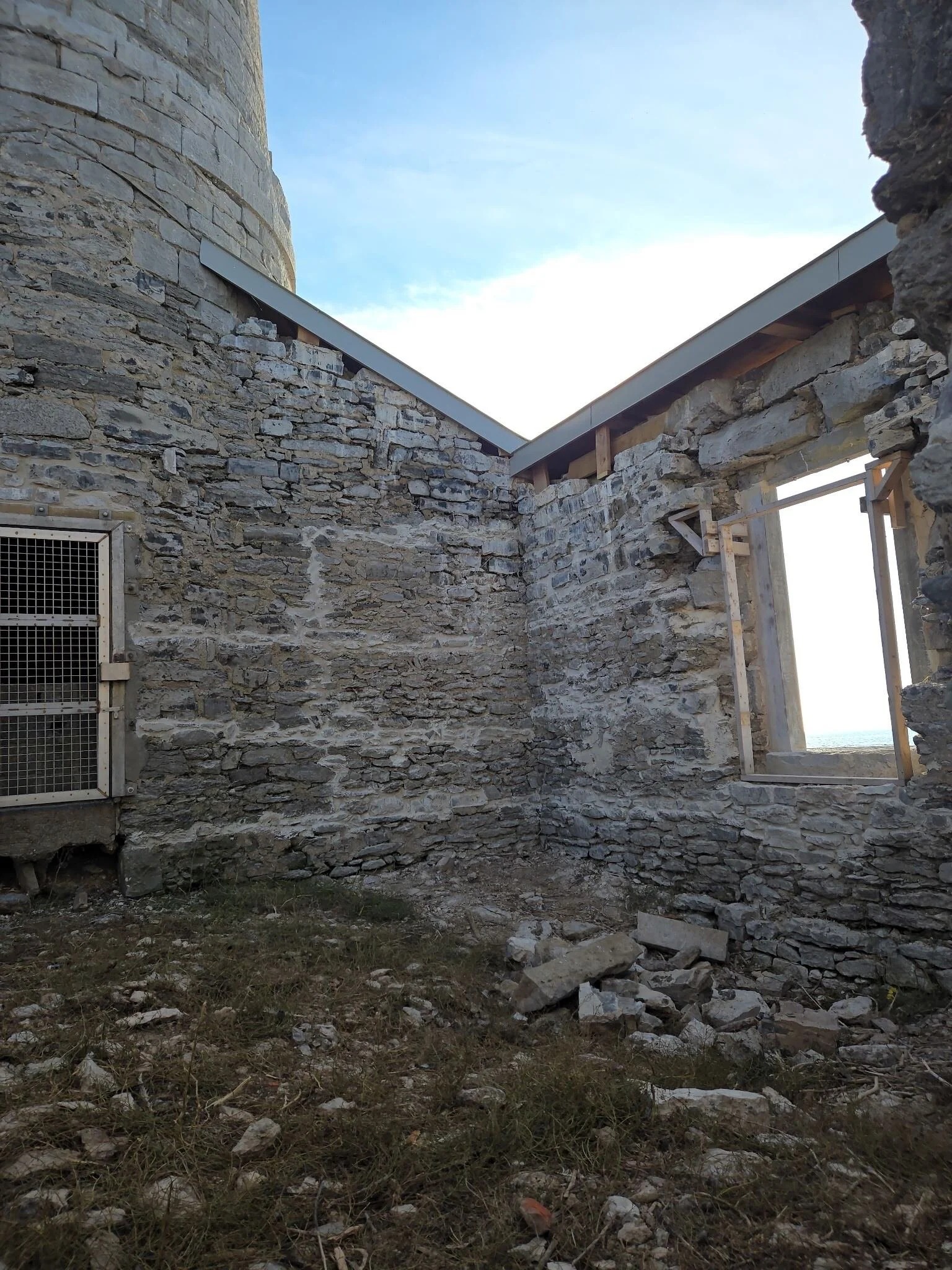
RTM completed extensive stabilization and repair work at the Mohawk Island Lighthouse. The comprehensive scope included full exterior stone masonry repointing, partial interior stone masonry repointing, lime injection crack repairs, helical bar reinforcement at mortar cracks, and guano abatement.
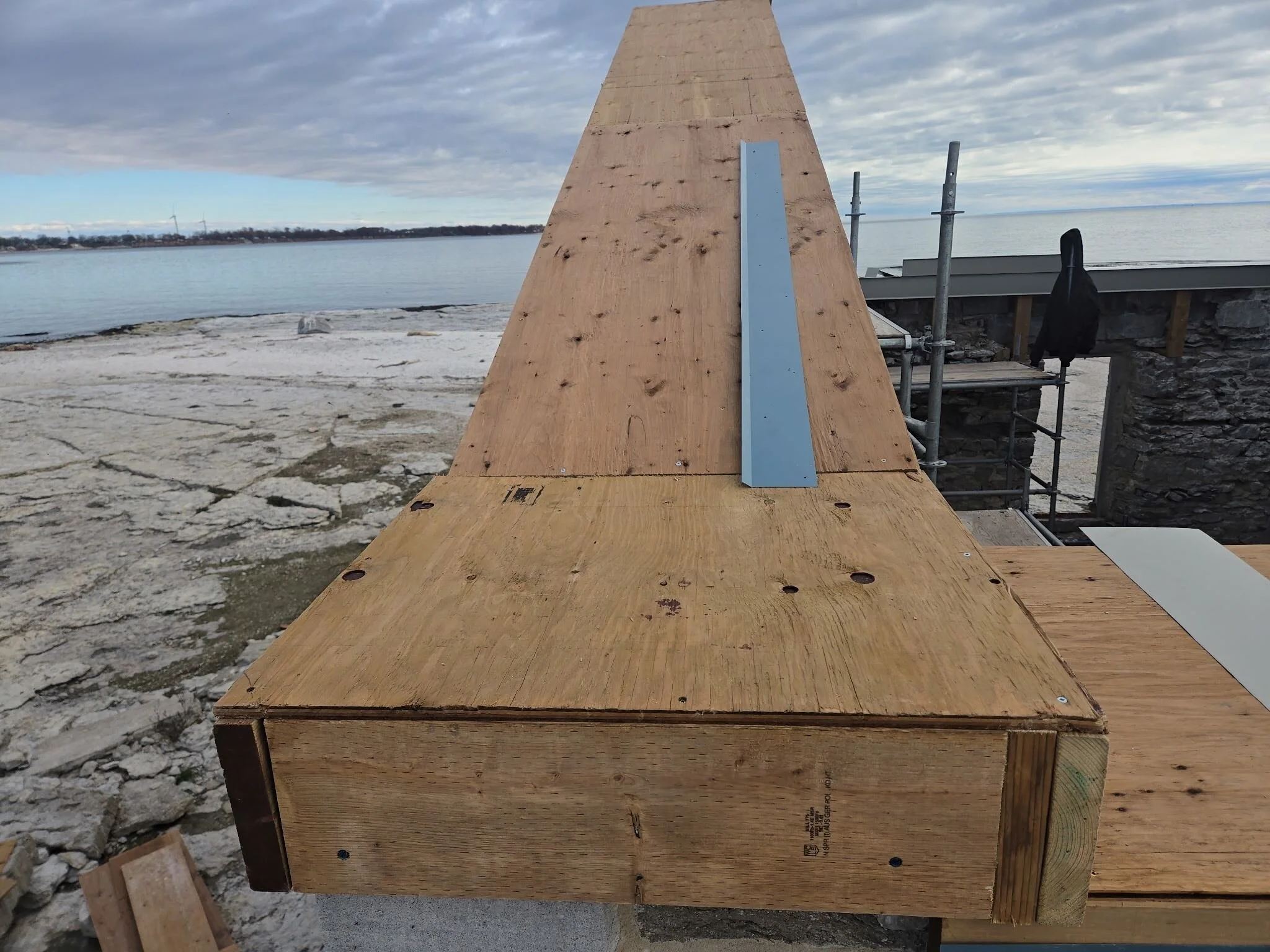
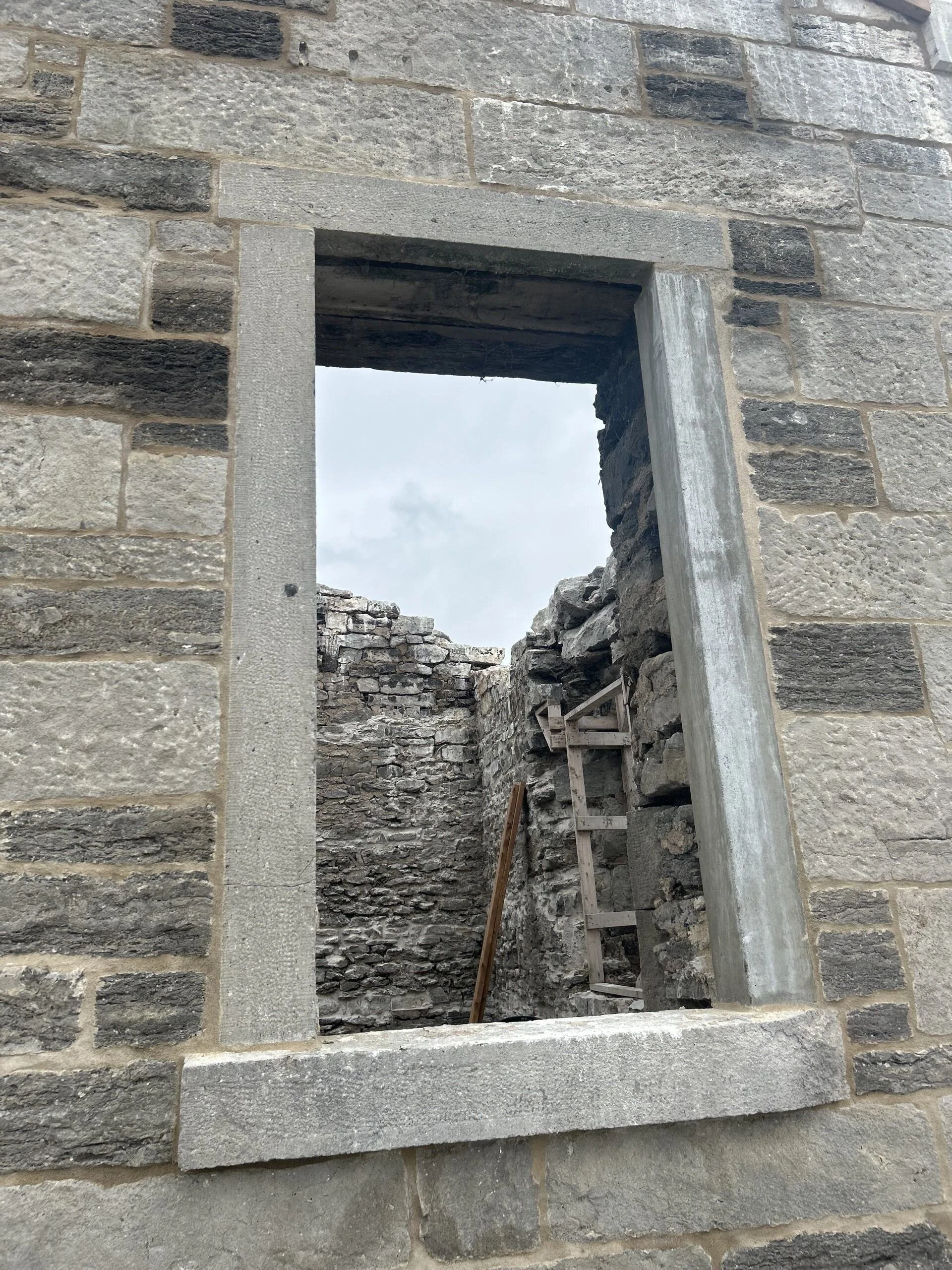
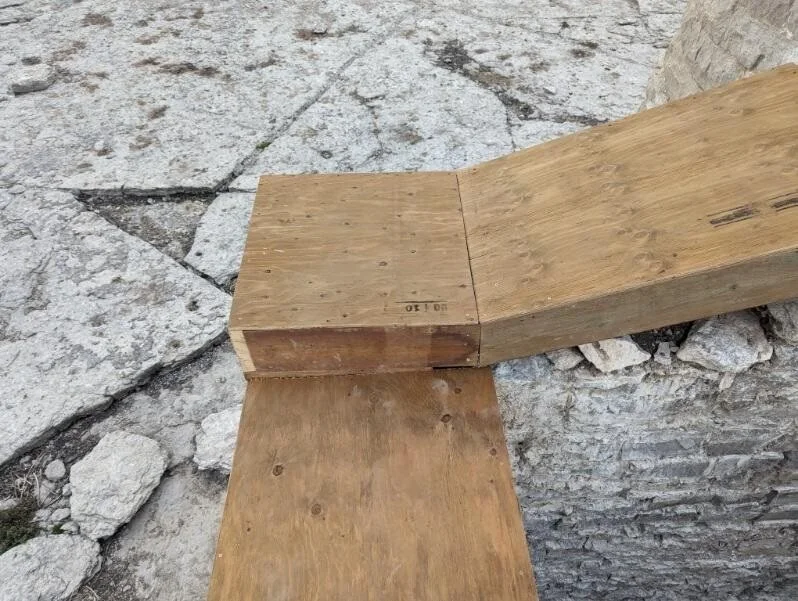
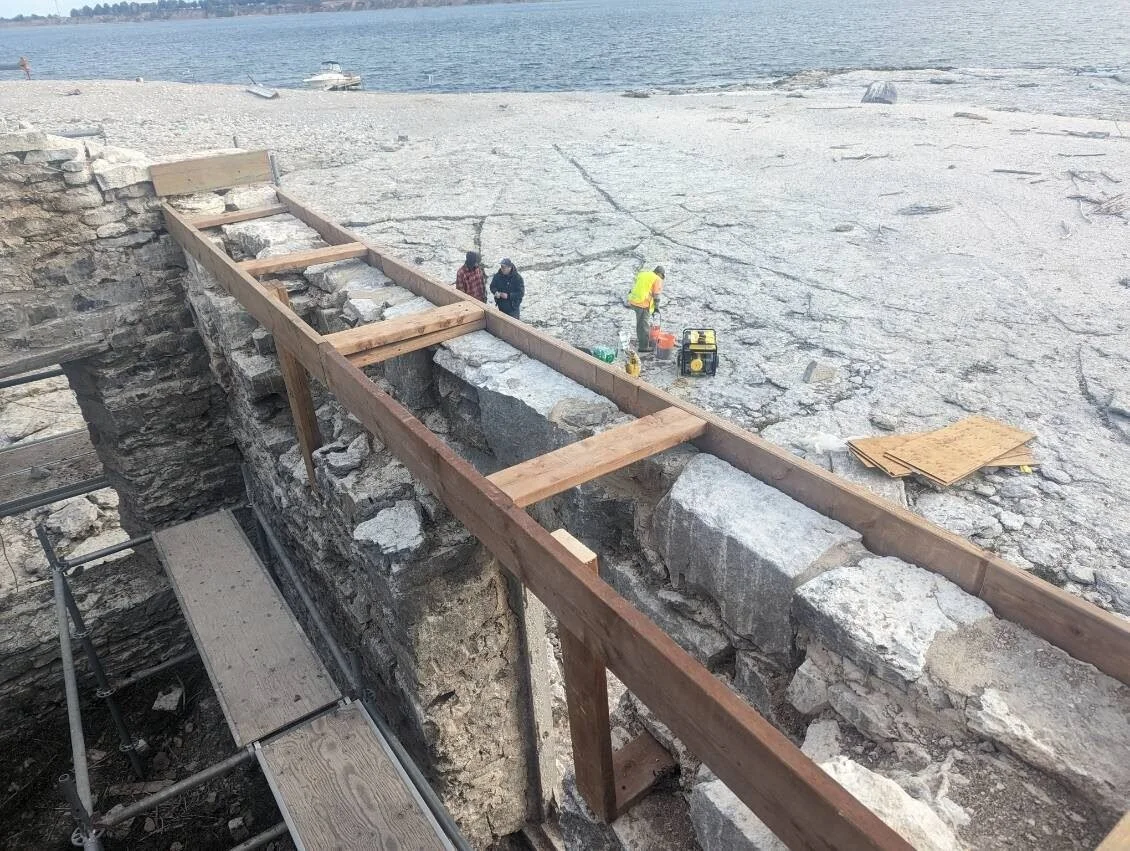
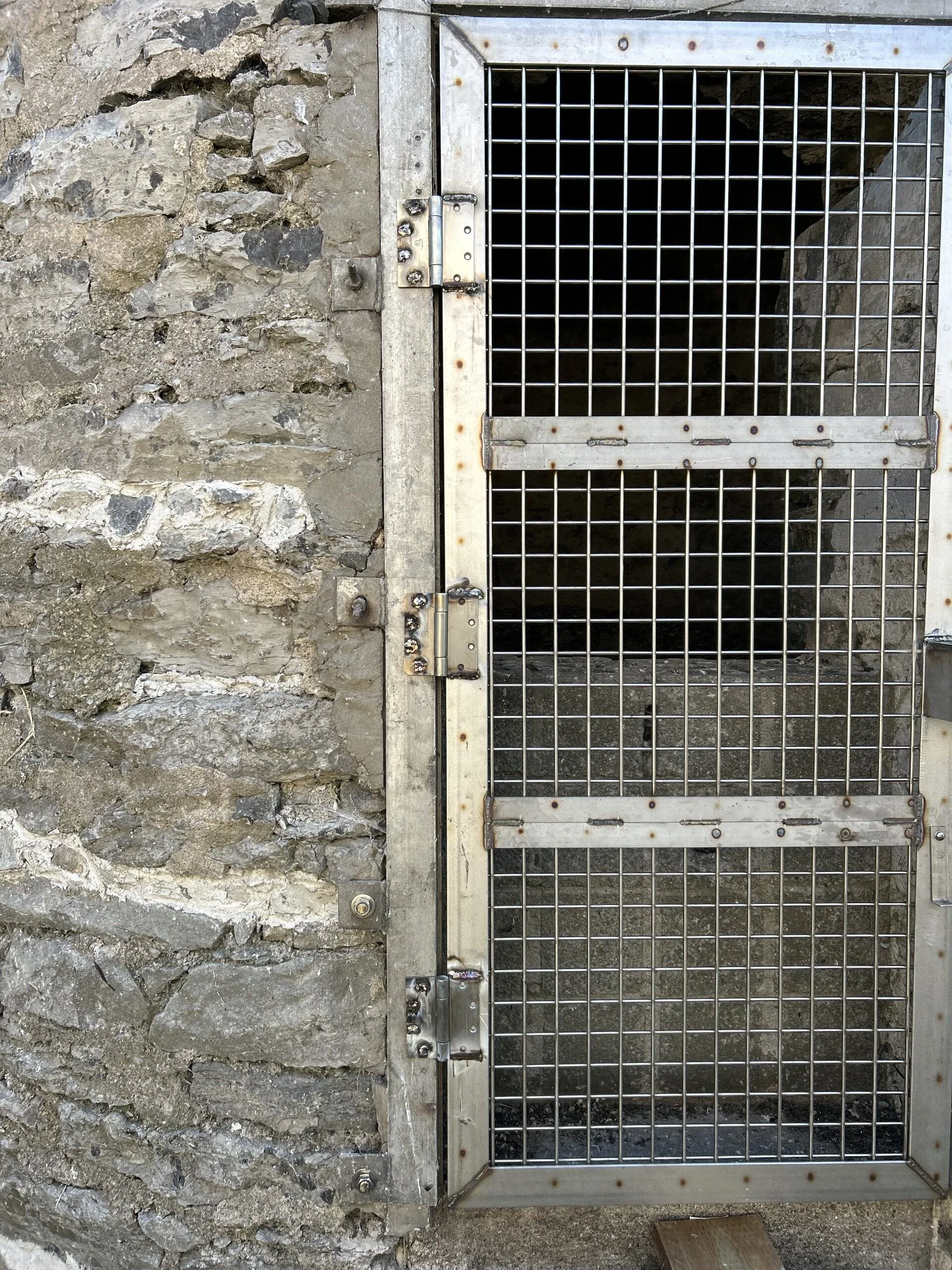
Architectural elements were also heavily reinforced through the fabrication and installation of new precast windowsills and jambs, new wood parapets, sheet metal parapet caps, and the fabrication and installation of a new security door.
Notable Details
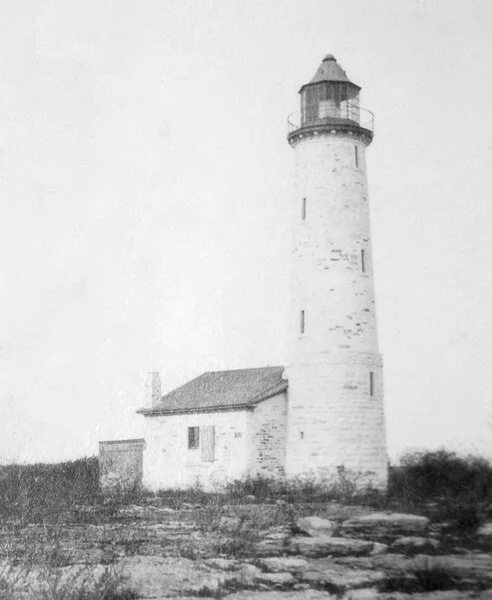
This project required careful restoration work on one of the oldest and most historically significant lighthouses on the Canadian side of Lake Erie. Built in the mid-1800s, the lighthouse originally helped guide vessels near Port Maitland and warned ships away from hazardous shoals and shallow reefs.
The remote island location and highly exposed marine environment added significant complexity to the logistics and execution of the work. Repairs had to vastly improve the long-term stability and weather protection of the structure while strictly respecting the original stone masonry character of the lighthouse.
The masonry scope demanded 100% exterior repointing and 50% interior repointing using heritage-appropriate materials, complemented by lime-based crack injections and mortar crack repairs utilizing helical bar reinforcement.
Final Result
The completed work successfully stabilized and protected the Mohawk Island Lighthouse while fully preserving its historic masonry character.
The repairs drastically improved the long-term durability of the structure against the harsh Lake Erie environment and helped preserve a critically important piece of Ontario’s maritime heritage for future generations.